Interior Photography for Stunning Designs

Updated: Jan 18

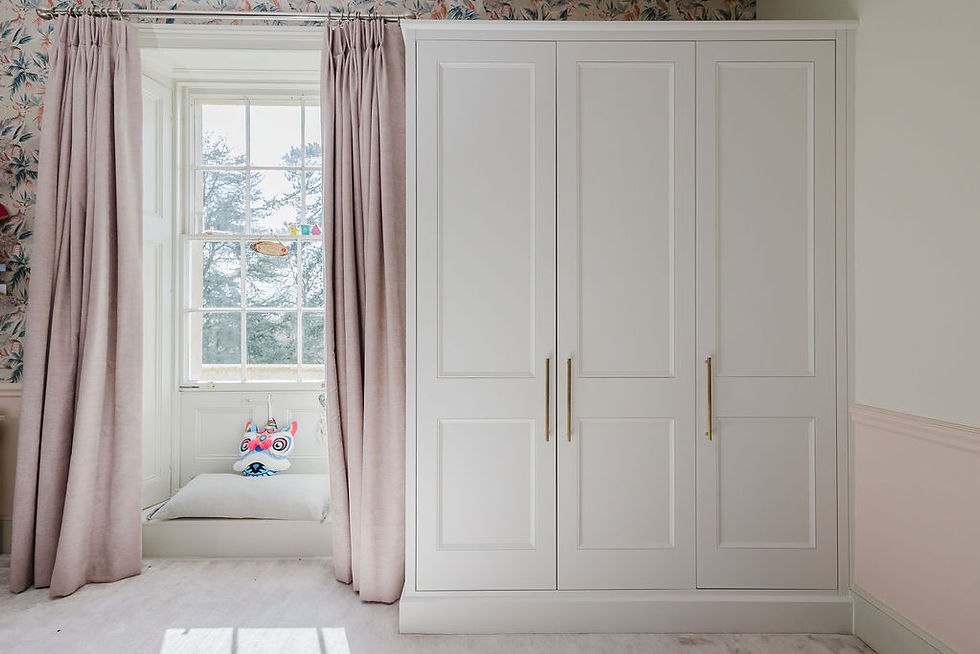
Photographing this bedroom was an exercise in restraint and observation — allowing the space and the light to do the work. The tall window introduces a generous wash of natural daylight that changes subtly throughout the day, softening the room and revealing the layers of texture within it. From the delicate pattern of the wallpaper to the upholstered furnishings and painted joinery, every element responds differently to the light, and capturing that balance was key.
In interior photography, it’s often less about dramatic angles and more about understanding how a room is meant to feel. I spent time studying how the light fell across the floor and walls, waiting for the moment when it felt calm and even, rather than overly styled or forced. The goal was to create images that feel true to the space — ones that communicate comfort, proportion, and atmosphere as much as layout and detail.
With interiors like this, photography becomes a collaboration with the design itself. By working carefully with natural light and maintaining a considered composition, the images can reflect the thought and craftsmanship behind the room, allowing designers and clients to see not just how it looks, but how it’s intended to be experienced.

This image was very much about balance between softness and structure, and between what is revealed and what is concealed. Photographing this bedroom joinery, I wanted to highlight the precision of the built-in cabinetry while keeping the overall feeling calm and residential. Opening the doors allowed the warmth of the timber interior to contrast gently with the painted exterior, giving a clear sense of craftsmanship without overpowering the room.
Natural light played a key role here. The tall window to the side introduces a soft, even light that wraps across the joinery and wallpaper, lifting the space and revealing texture without harsh shadows. Timing was important; photographing the room when the light was diffused ensured that the timber tones remained rich and natural, while the painted finishes stayed soft and neutral.
In interior photography, details like this are about more than documentation. It’s about showing how design solutions work in practice how storage integrates seamlessly into a room, how materials relate to one another, and how the space feels when lived in. By keeping the composition centred and symmetrical, the focus stays on proportion, craftsmanship, and the quiet elegance of the design, allowing the interior to speak for itself.

Comments