Capturing Joinery with natural light

Updated: Jan 18
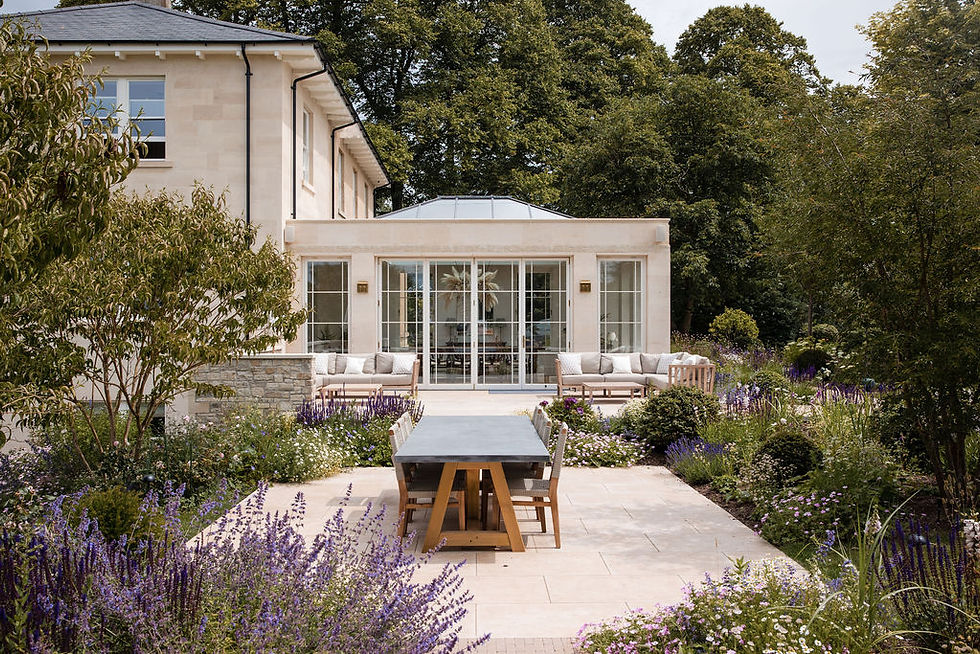
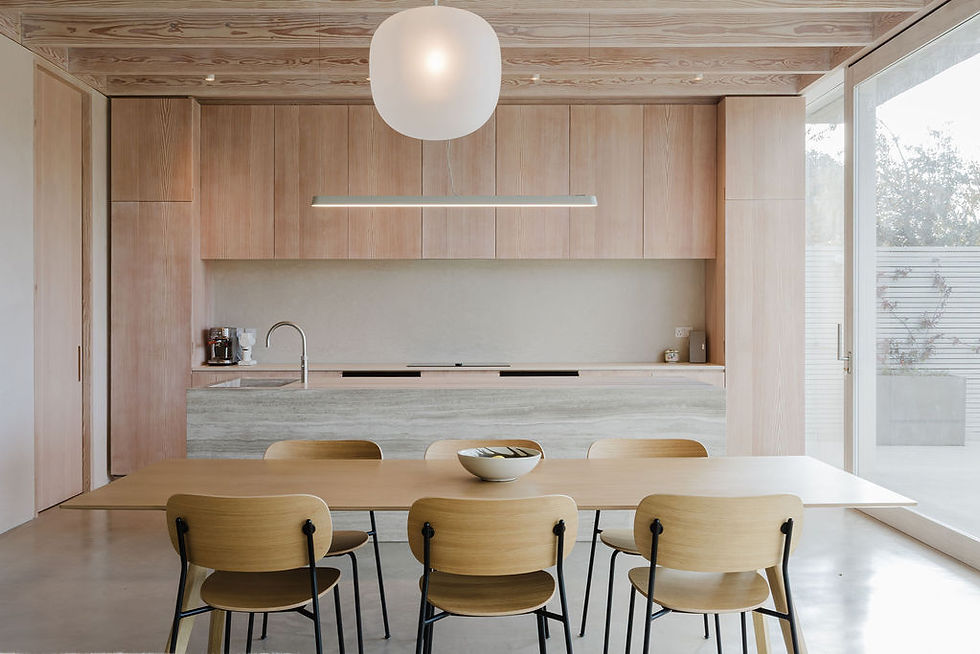
Photographing this space was very much about working with natural light to reveal the design in its most honest form. The orientation of the garden and the generous glazing allow daylight to travel deep into the house, softly illuminating the interior joinery and bringing out the detail and craftsmanship without the need for artificial lighting. Timing was key waiting for light that was even and diffused ensured the materials read true to life, from the timber finishes to the pale stone and painted surfaces.
From this viewpoint, the joinery inside becomes part of the wider composition. The light filtering through the glazing gently defines edges, proportions, and textures, allowing the design to feel calm and considered rather than overly styled. This approach to interior photography is always about restraint letting the space and the light work together to communicate how the design is intended to be experienced.
The garden plays an equally important role in shaping the image. As well as providing a beautiful backdrop, the planting softens the architecture and reflects light back into the interior, adding depth and warmth to the photograph. Capturing the space in this way allows both the interior design and the landscape to sit naturally together, resulting in images that feel balanced, authentic, and rooted in the way the house is actually lived in.

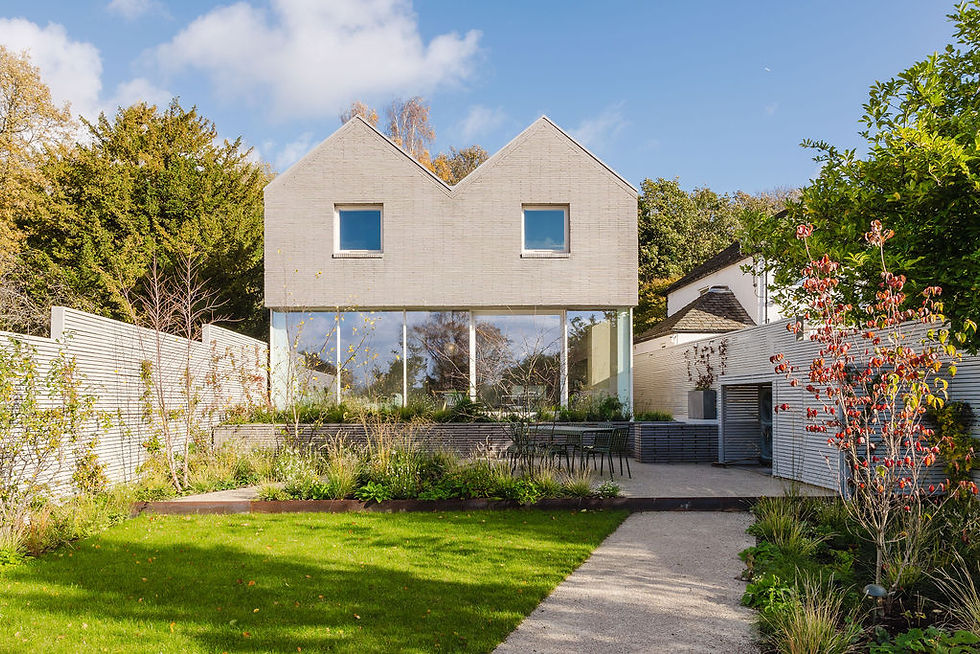
Photographing this elevation was all about understanding how natural light defines the architecture. The simple, sculptural form of the building is at its strongest when the light is clean and directional, allowing the geometry, materials, and proportions to read clearly. I waited for a moment when the sunlight was soft enough to avoid harsh contrast, yet bright enough to give clarity to the façade and depth to the glazing below.
The extensive use of glass at ground level allows light to pass straight through the building, visually lightening the structure and creating a strong connection between inside and out. From a photography perspective, this transparency is key — it reveals glimpses of the interior joinery and planting beyond, while reflections subtly layer the image. Capturing that balance between reflection and visibility is essential in architectural photography, as it speaks to how the building is experienced rather than simply how it looks.
Natural light also plays an important role in how the building sits within its garden setting. The surrounding planting softens the architecture and catches the light differently throughout the day, adding movement and texture to an otherwise restrained composition. Photographing the project in this way allows the design to feel calm, intentional, and grounded in its environment — an honest representation of how light, landscape, and architecture work together as one

Comments